Lighting & Shade Control Installation

One Touch, the Whole Room
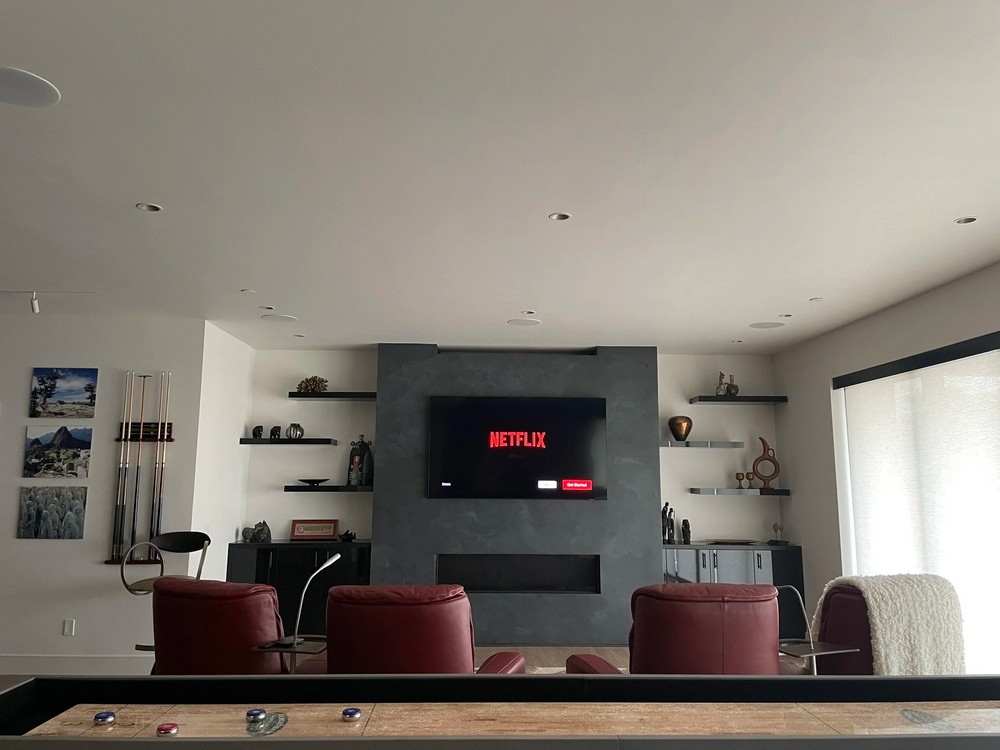
A lighting and shade system built right ties every fixture and every window into one keypad or app, so “movie night” dims the lights, closes the shades and turns on the TV in a single tap instead of six separate switches. Low Voltage Components installs and programs Lutron and Control4 lighting control for homes from San Diego to Los Angeles, working under a California C-7 low-voltage license (#1056087). Scenes get built around how you actually use each room — a keypad by the front door, a dimmer at the nightstand — not a generic default that gets ignored after the first week.
Shades That Move With the Sun
Motorized shades do more than block glare on the TV — scheduled to track the sun, they cut afternoon heat gain before the AC has to work for it, and a privacy scene at dusk beats getting up mid-dinner to close every blind by hand. Shades tie into the same system as the lighting, so an “away” scene lowers them along with locking the doors and turning off the lights, and “good morning” can raise them gradually with the lighting instead of both firing at once. Fabric, mount type and motor choice get specified around the window itself — a floor-to-ceiling great room slider is a different install than a bank of standard bedroom windows.
Wired for It, Not Retrofitted
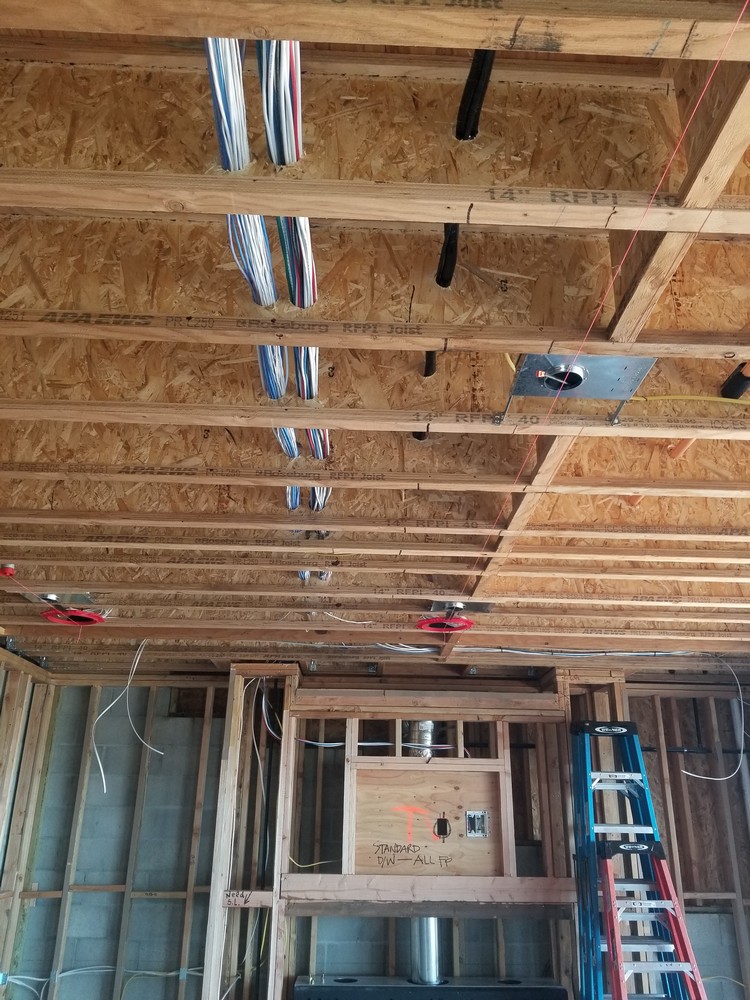
Lighting control and shade wiring belongs in the plans before drywall goes up — running low-voltage cable and in-wall power to every keypad and shade motor during framing costs a fraction of opening a finished wall later, and it's the difference between a system that looks built-in and one that looks bolted on. Retrofits in finished homes follow the same principle in reverse: map what the walls and attic will allow before committing to a motor or keypad location, then wire and program it to work the way you expect from day one.
Lighting and Shades Are One System, Not Two
Daylight and electric light are doing the same job in a room, so controlling them separately produces the results people complain about: shades down and lights on at 3pm, or a west-facing room that is unusable for two hours every afternoon. Treated as one system, the shades handle the light that is free and the fixtures fill in from there — which is both more comfortable and, in a house with a lot of glass, a real reduction in cooling load.
On the lighting side, the decisions that matter are made at the circuit, not at the bulb. Dimming quality depends on the driver and the dimmer being matched — a mismatched pair is what causes the flicker and the buzzing hum at low levels that people blame on LEDs generally. Colour temperature should be consistent across a room and warm enough for living space; 2700K to 3000K reads as residential, 4000K reads as an office. Tunable white, which shifts cooler in the morning and warmer at night, is worth specifying in kitchens and primary bedrooms and rarely worth it elsewhere.
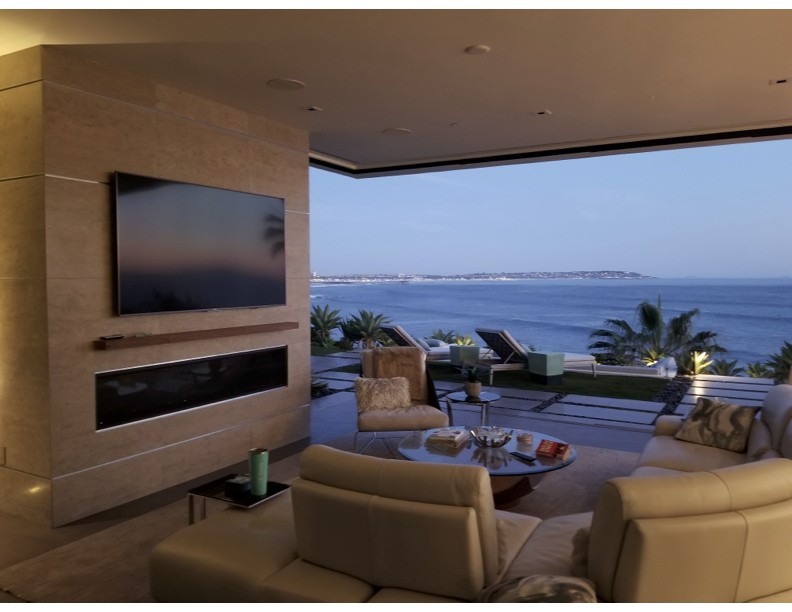
Shades divide into roller, cellular, roman and drapery track, and the choice is set by what the window has to do. Roller shades in a light-filtering fabric cut glare while keeping the view — the usual answer for a living room with a coastal outlook. Blackout cellular or roman shades belong in bedrooms and media rooms. Exterior shades are the only ones that stop heat before it enters the glass, which matters on a west or south elevation inland where afternoon gain is the actual problem.
Power is the item that has to be decided early. Hard-wired shade motors are quiet, never need charging and are the right call whenever the walls are open — a battery shade at a twenty-foot great-room window is a ladder job every couple of years. Retrofit projects use rechargeable motors, and we plan discreet charging access rather than leaving a visible cable. Once both layers are in, a single keypad or app can set the room: shades to the right height, fixtures to the right level, one press. See home automation for how that ties into the rest of the house.
Frequently Asked Questions
Why do my LED lights flicker or buzz when dimmed?
Almost always a mismatch between the dimmer and the LED driver, not a fault in either one. Leading-edge dimmers left over from an incandescent installation struggle with low-wattage LED loads. The fix is a trailing-edge or LED-rated dimmer matched to the fixture, and setting the low-end trim so the dimmer never drives the driver below its stable range.
Motorised shades — hard-wired or battery?
Hard-wired if the walls are open, every time: quieter motors, no charging, and nothing to maintain at a high window. Battery motors are the right answer in a finished house, and modern ones run six months to two years per charge depending on size and how often they cycle. What we plan for is access — a battery shade you need scaffolding to reach is a problem deferred, not solved.
Can shades and lighting be controlled together?
Yes, and it is the point of doing both. A single keypad button or scene sets shade height and light level together, so a room adjusts as one. Schedules follow sunrise and sunset rather than clock times, which matters across a year where sunset moves by three hours.
Will exterior sun shades actually reduce cooling costs?
On a west or south elevation inland, meaningfully — they stop solar gain at the glass instead of after it has entered the room, which interior shades cannot do. On a coastal north-facing window the payback is much weaker and we would not push them. It depends on the elevation and how much glazing it carries.
Do I need to replace all my light fixtures?
No. Most projects keep the existing fixtures and change the control layer — dimmers, keypads and, where needed, the drivers. Fixture replacement is worth it where the colour temperature is inconsistent room to room, or where existing fixtures simply will not dim smoothly no matter what dimmer is fitted.
More answers: see our full FAQ page, browse the areas we cover on the service areas page, or get in touch and we will walk you through it.
Interested? Let's Talk.
Questions about your project, or ready to get started? Get in touch and we'll walk you through it.