
Home Theater Installation in San Diego
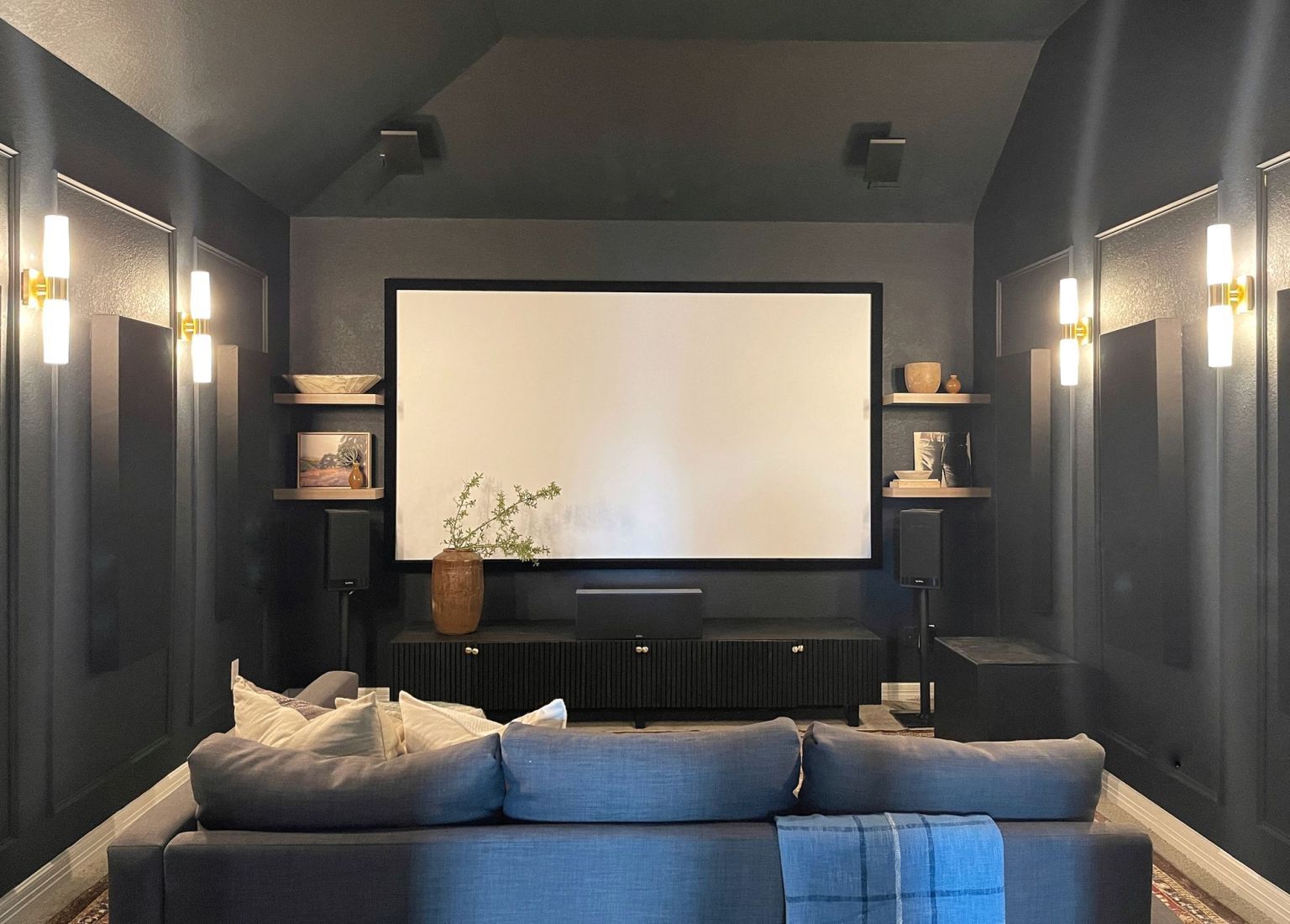
It Starts With the Room, Not the Gear
Every home theater installation starts with one question: what's the room for? A dedicated theater with blackout capability needs a completely different build than a family room that doubles as a theater on weekends. Once that's settled, Low Voltage Components handles the design, speaker wiring, seating layout, acoustic treatment, and a single remote or app that ties lighting, shades, audio, and video together — all under a California CLSB C-7 low-voltage license (#1056087), so the wiring behind the walls and the equipment rack are handled by someone licensed to do it.
Projector or TV — the Room Decides
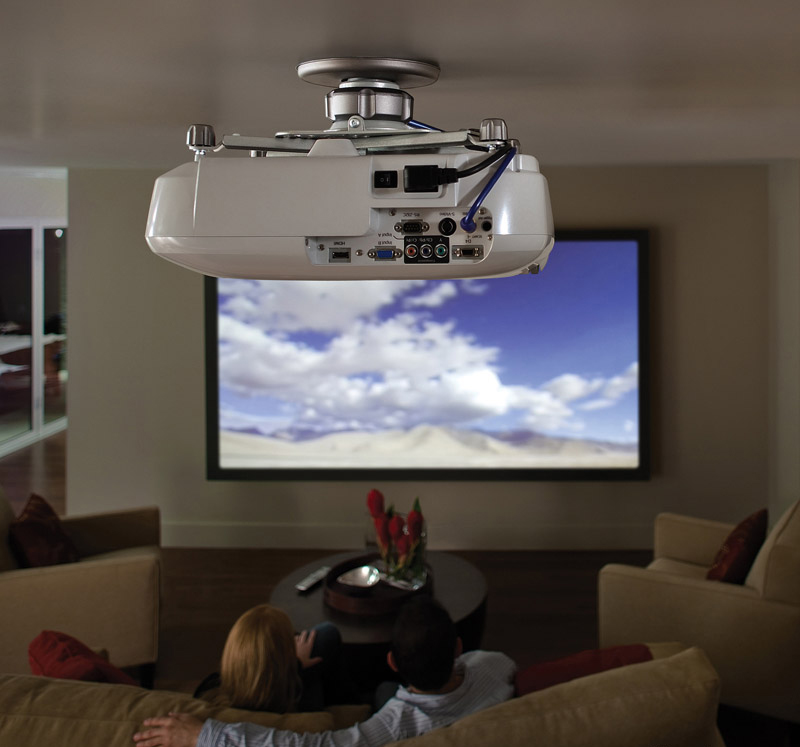
This comes down to light control more than personal taste. A dedicated theater with blackout shades, no windows, or a windowless bonus room is where a projector and a screen well over 100 inches earn their keep, while a family room that catches afternoon sun is almost always better served by a bright, well-placed TV. Distance matters as much as size — seating positioned between 1.5 and 2.5 times the screen's diagonal is the accepted range for a comfortable view, and getting that ratio wrong means either a picture that looks small from the couch or a front row straining their necks for two hours. Low Voltage Components measures the room before recommending anything.
Seating and Acoustics Are What Make It a Theater
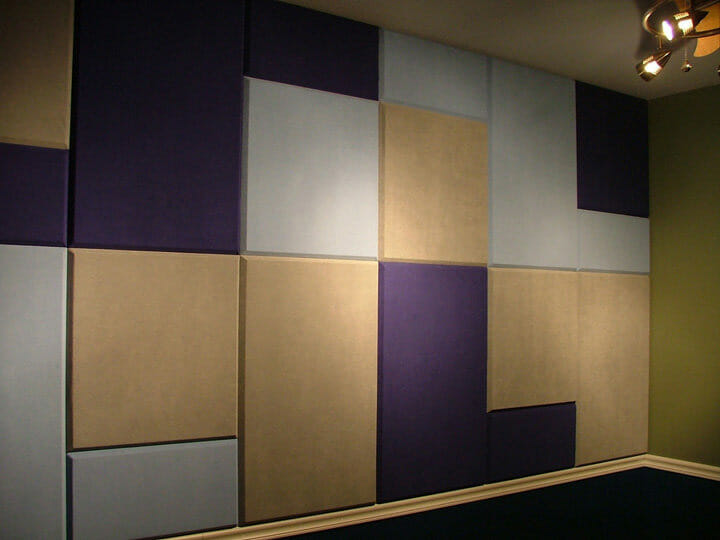
Screen and sound get the attention, but seating and acoustics are what separate a real theater from a living room with a bigger TV. Row spacing needs enough distance for a clean sightline over the row in front, and a slight riser on the second row solves most sightline complaints in a single move. Bare walls and hard floors work against good sound — dialogue gets muddy, bass turns boomy, footsteps from upstairs carry into the room — while acoustic panels, thick drapes, a rug, and bass traps in the corners bring a space under control. Treating that during the install costs a fraction of retrofitting it after the fact.
What Separates a Theater Room From a TV in a Dark Room
Three things decide whether a home theater sounds and looks right, and none of them is the price of the equipment: seating distance against screen size, speaker placement against the seats, and what the room does to the sound before it reaches you. A well-planned room with mid-range gear beats a badly planned room with expensive gear every time, which is why we start with the room and the seating plan rather than a product list.
Screen size follows viewing distance. For a 4K projector or panel, a comfortable image fills roughly 30 to 40 degrees of horizontal field of view, which in a typical room puts the primary seat somewhere between 1.2 and 1.6 times the screen width away. Sit closer and the pixel structure and any compression artefacts become visible; sit further and the immersion the screen was bought for disappears. We measure the room and work backwards to the screen, not the other way round.
Speaker layout is the other half. A 5.1 layout done properly — front three across the screen at ear height, surrounds slightly behind and above the seats, subwoofer placed where the room's bass response is flattest rather than where there is space — will outperform a badly placed 7.2. Atmos height channels want to be in the ceiling in front of and behind the seats, which is a pre-wire decision, not a retrofit one. If the ceiling is already closed, we will say so and design around it.
Rooms fight back. Parallel hard walls create flutter echo, bare drywall and glass make dialogue harsh, and every room has bass nulls where a subwoofer effectively disappears. Treatment does not have to mean visible acoustic panels — heavy drapes, a rug over hard floor, an upholstered back wall and correct subwoofer placement handle most of it. We calibrate the finished system with a measurement microphone and hand over the levels and distances in writing, so it can be re-checked if anything moves. Media rooms wired at the pre-wire stage get all of this for a fraction of the retrofit cost.
Frequently Asked Questions
Projector or a large TV?
TVs win in any room you cannot fully darken, and they now go large enough for most media rooms. A projector wins on scale past about 100 inches, in a room with real light control, when the screen can disappear when it is not in use. The practical test is honest: if the room has west-facing glass and gets used at 4pm, buy a panel.
Do I need Dolby Atmos?
It is worth doing properly or not at all. Two or four in-ceiling height channels placed to spec add a genuine sense of space; height speakers bolted to the front wall or firing up off the ceiling in a room with a vaulted or textured ceiling mostly add cost. If the ceiling is open at pre-wire it is an easy yes. If it is finished, we will tell you honestly whether the room can carry it.
Can you put a theater in a room that is already finished?
Yes, and most of ours are. In-wall and in-ceiling speakers can usually be retrofitted with attic or crawlspace access; where they cannot, on-wall speakers and concealed cable in a painted raceway get the same result acoustically. The compromises worth knowing about are ceiling height channels and in-floor subwoofer runs, which are the two things that are genuinely much easier before drywall.
How much does home theater installation cost in San Diego?
The equipment is the variable, not the labour. A well-executed 5.1 media room around a large panel is a different budget from a dedicated room with a projector, acoustic treatment, tiered seating and Atmos. What we quote is the design, the cabling, the mounting, the rack build, the calibration and the programming, itemised, so you can see where the money goes and move it between equipment and installation as you like.
Will one remote actually control everything?
Yes, and it should. We program a single handheld or app-based control with activity-based buttons — Watch Movie, Watch TV, Listen to Music — that switch inputs, set the volume, dim the lights and drop the shades in one press. That programming, not the speaker count, is what determines whether the room actually gets used. See home automation for how the rest of the house ties in.
More answers: see our full FAQ page, browse the areas we cover on the service areas page, or get in touch and we will walk you through it.
Get a Free Quote for Home Theater
Tell us about the project and David will get back to you within one business day with honest next steps and a ballpark. Prefer to talk? Call (310) 702-0504.
"*" indicates required fields
Interested? Let's Talk.
Questions about your project, or ready to get started? Get in touch and we'll walk you through it.