
Custom Homes & New Construction Wiring
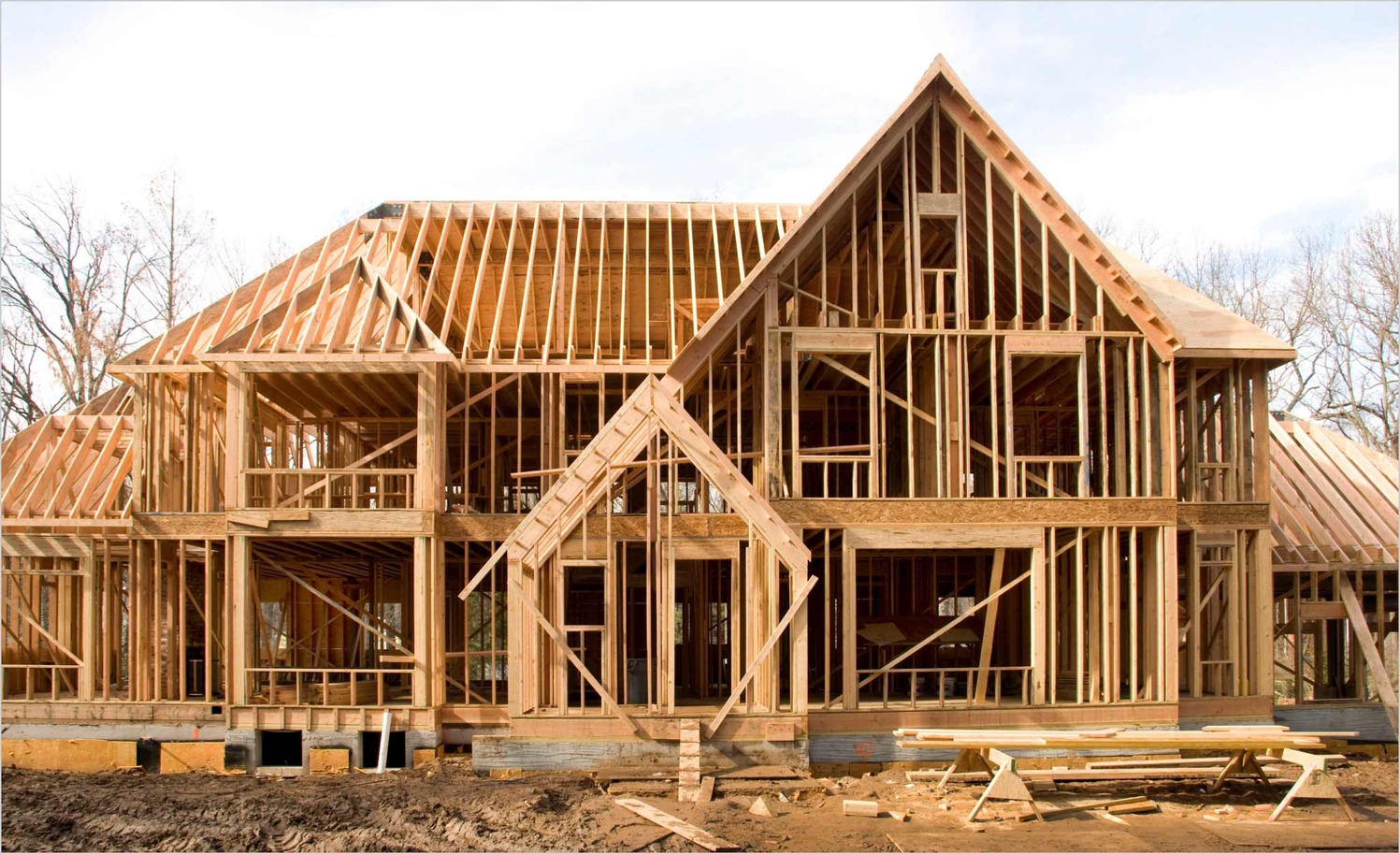
There's One Window, and It Closes at Drywall
There's exactly one point in a build where low-voltage wiring can be run the right way, and it closes the moment drywall goes up. Once framing is done and electrical is roughed in, Low Voltage Components needs to be on site pulling Cat6, coax, speaker cable, and conduit through the same studs — not chasing them later with surface raceway. This is also the last point where you can move a rack location or add conduit for a future projector without opening a finished wall. Unused cable pulled now costs a fraction of removing a finished wall later, and a two-day pre-wire scheduled ahead of drywall routinely avoids a five-figure retrofit.
One Coordinated System, Not a Bundle of Ethernet Drops
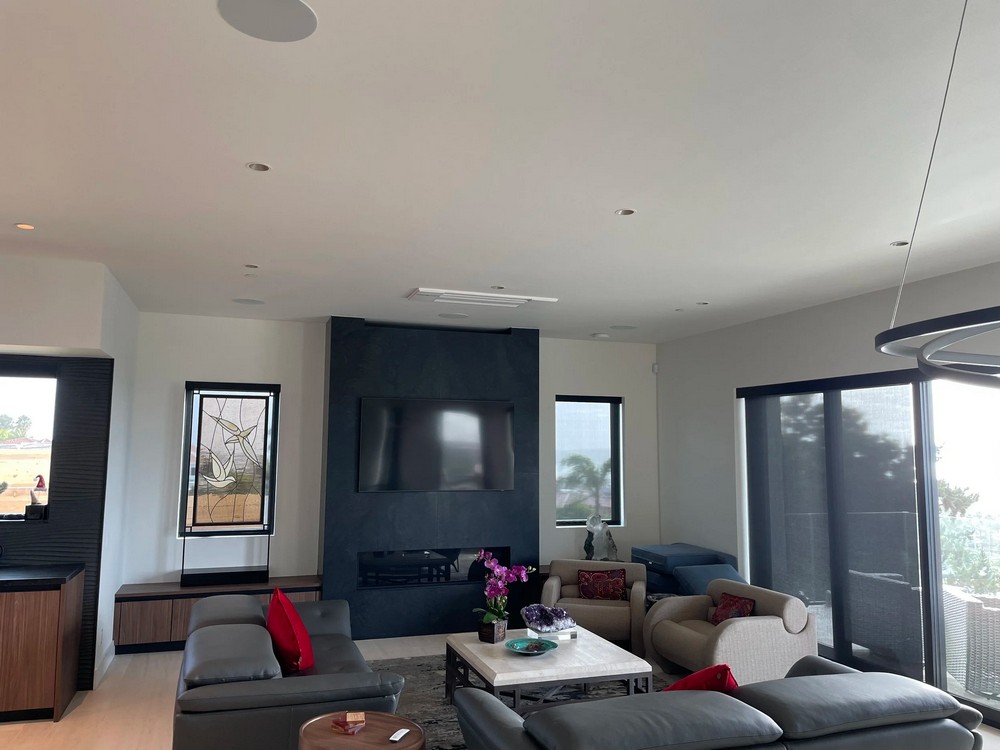
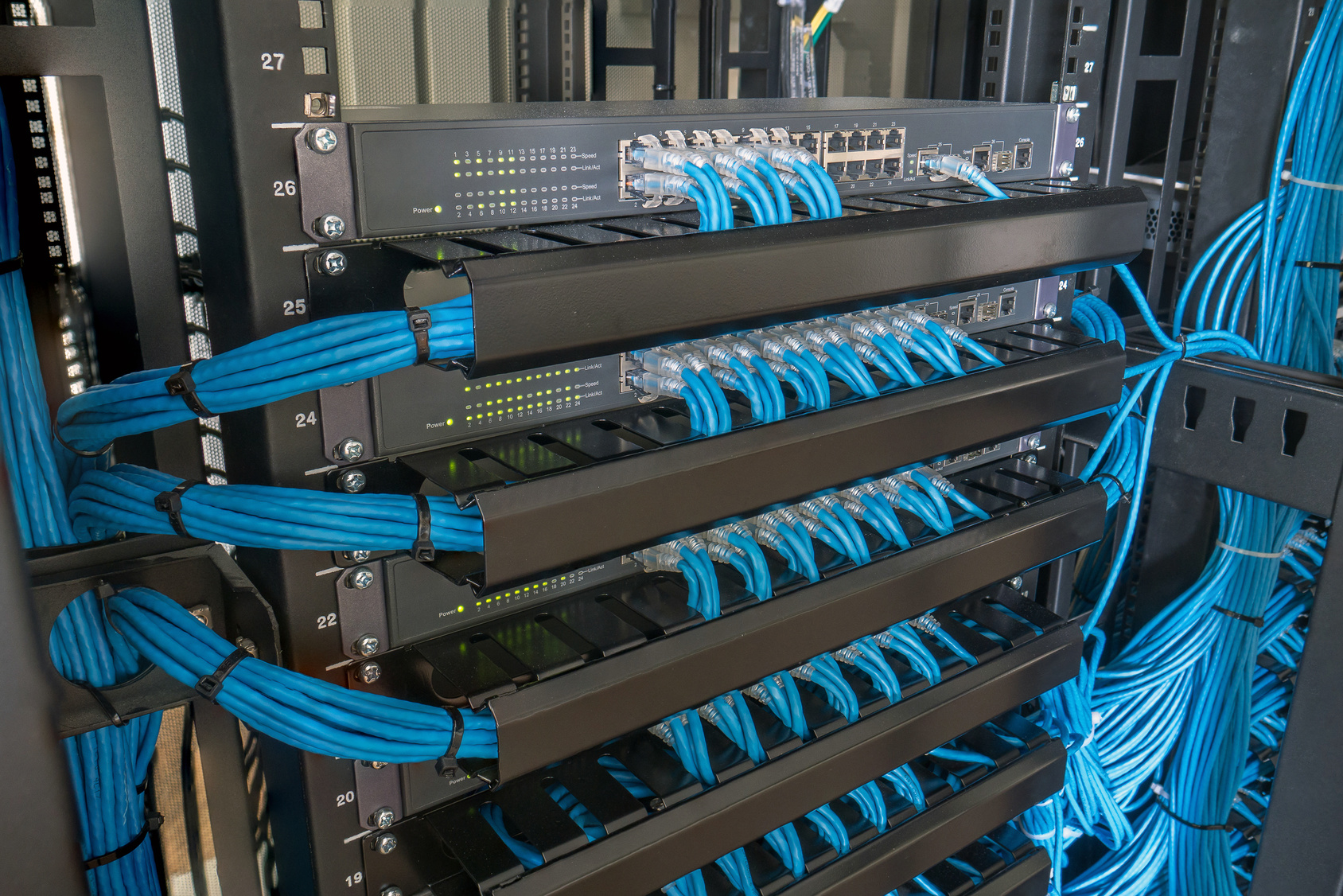
A full pre-wire touches nearly every room and gets planned before the first stud is drilled. That means structured network wiring — a home run of Cat6 or better from every access point back to a central rack — plus whole-home audio and video distribution with in-ceiling speaker runs, security and access control wired before stucco or siding goes on, home theater pre-wire with dedicated power and conduit sized for a projector, and the automation infrastructure that ties lighting, shades, climate, and audio into one system. What makes it a system rather than a pile of parts is that every one of those shares planned conduit paths and a central equipment location decided at framing, not bolted together afterward.
Wired to a Standard, on the Builder's Schedule
Residential low-voltage cabling has a published standard behind it, and Low Voltage Components wires to it rather than to whatever's easiest to pull that day — proper bend radius, separation from line voltage, labeled home runs, and a rack room sized for the gear it will actually hold. Just as important is how the work fits the build: a pre-wire sub who has never been on a job site treats it like an install, while one with more than 1,000 new home builds behind them shows up with drawings marked to the framing set, works the same rough-in schedule as the electrician, and flags conflicts — a header where a home run needs to pass, a panel that moved — before they turn into change orders.
What Pre-Wire Actually Covers on a New Build
Low voltage pre-wire happens in a narrow window: after the framing inspection passes and before insulation and drywall close the walls. Everything that will ever run behind a finished surface — network, speaker, control, camera, keypad, shade and subwoofer cable — has to be pulled, labelled and terminated in that window. Miss it and the choice later is surface raceway, wireless workarounds, or opening finished walls.
A real pre-wire package starts with a plan review against the architectural set, not a walk of the framed shell. We mark every device location on the prints, agree them with the builder and the homeowner, then pull home runs back to a single structured wiring enclosure. Cat6 or Cat6a to every TV, desk, access point and camera position. Sixteen-gauge to in-ceiling and in-wall speakers, fourteen-gauge on long runs. Conduit sleeves to the attic and to any location a future owner might want to change. Every run is labelled at both ends and photographed in the open wall so the as-built record survives the drywall.
The two things that cost builders money on this trade are late scheduling and vague scope. We book pre-wire as a scheduled block against your framing date rather than a same-week service call, and the scope comes back as a device-by-device list with a fixed number attached, so nobody is arguing about what was included after the walls are up. Trim-out — speakers, plates, keypads, access points, cameras, rack build and programming — is a separate visit scheduled against your finish dates.
David Perfito holds California C7 Low Voltage licence #1056087 and has run this trade since 2017. Work in San Diego and North County books as normal scheduled visits. Orange County, Riverside and the Inland Empire book as full-day or multi-day project blocks rather than short-notice calls, which is honest about a sixty to ninety minute drive and works out better for a builder who wants the whole floor pulled in one go.
Frequently Asked Questions
When should the low voltage contractor be on site during a new build?
Twice. Pre-wire goes in after rough framing and rough plumbing and electrical, once the framing inspection has passed and before insulation. Trim-out happens after paint, when speakers, plates, keypads and equipment go in. Calling us at drywall is already late; calling us at the plan stage is ideal, because that is when device locations are cheapest to change.
Cat6 or Cat6a — what should go in the walls?
Cat6 handles 1 Gbps everywhere in a house and 10 Gbps up to about 55 metres, which covers most residential runs. Cat6a handles 10 Gbps to the full 100 metres and is worth the extra cost on long runs, on anything feeding a future rack or camera NVR, and on homes over roughly 5,000 square feet. Cable is the cheapest part of the job and the only part you cannot upgrade later without opening walls, so we normally specify Cat6a to the head end and Cat6 to the leaves. More on this on our home network page.
Do you work directly with our electrician and general contractor?
Yes, and it is the arrangement that produces the fewest surprises. We coordinate device locations with the electrician before either trade pulls, so line voltage and low voltage are not fighting over the same stud bay and TV outlets land behind the panel rather than beside it. We attend framing walks when the builder wants one.
What does a pre-wire cost?
It is driven by device count, square footage and how much conduit goes in, not by a flat per-square-foot number. A modest single-family pre-wire with network, a few TV locations and one audio zone is a very different job from a whole-home package with distributed audio, a theater, cameras, automation and shade control. We quote from prints with a device-by-device list attached.
Can you pre-wire for equipment the homeowner has not chosen yet?
That is the normal case, and it is exactly what pre-wire is for. We pull cable to a specification that covers the likely options — 16-gauge speaker cable, Cat6a network, subwoofer and control runs, plus conduit to locations that may change — so the equipment decision can happen months later without touching the walls.
More answers: see our full FAQ page, browse the areas we cover on the service areas page, or get in touch and we will walk you through it.
Get a Free Quote for New Construction Pre-Wire
Tell us about the project and David will get back to you within one business day with honest next steps and a ballpark. Prefer to talk? Call (310) 702-0504.
"*" indicates required fields
Interested? Let's Talk.
Questions about your project, or ready to get started? Get in touch and we'll walk you through it.