
Whole Home Audio System Installation
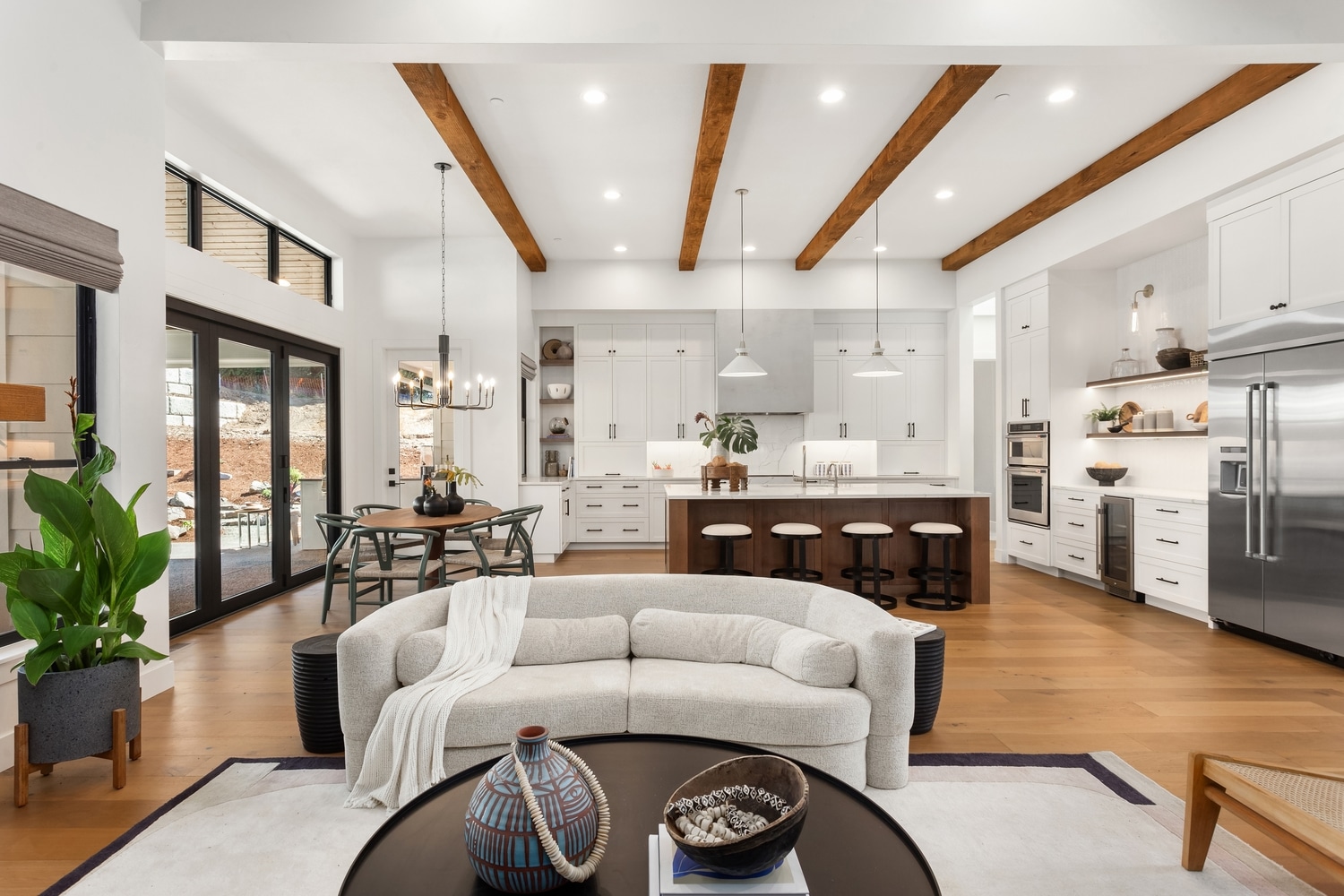
Music in Every Room, Controlled From One Place
A whole home audio system sends music, podcasts, or announcements into whichever rooms you choose — kitchen, patio, primary suite, garage — with independent volume and source control per zone. Under the hood it's a central streamer feeding amplified zones through wire, wireless, or a mix of both, so you pick a source and send it to one room or the whole house from a wall keypad or an app. Low Voltage Components designs and installs these systems for homes and light-commercial properties as a licensed low-voltage contractor (CLSB C-7 License #1056087). Done right, nobody has to think about how it works — they just tap play.
Wired Where It Matters, Wireless Where It Doesn't
This is the first question almost every homeowner asks, and there isn't one right answer. Wired in-wall and in-ceiling speakers disappear visually, sound more consistent room to room, and don't depend on Wi-Fi holding up mid-party. Wireless systems install faster and cost less upfront, and plenty of clients already own a smart speaker or two before calling about a full system. Most North County homes end up hybrid — wired in the main living spaces where sound quality is noticed, wireless in secondary rooms where flexibility matters more. Either way, the wiring follows the published multi-room audio cabling standard rather than guesswork about wire gauge or run length.
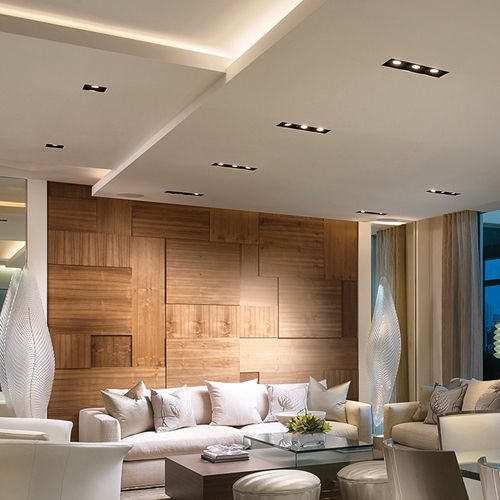
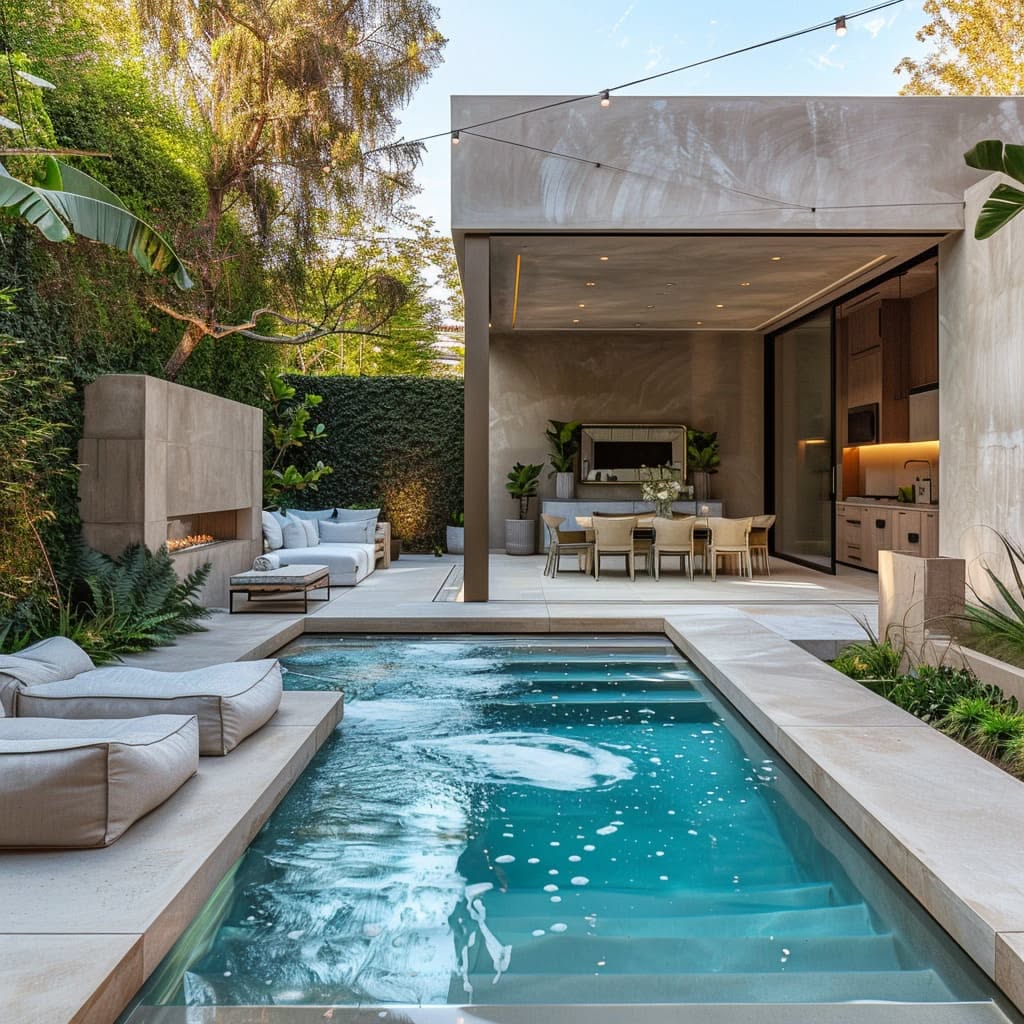
Patios, Poker Nights, and the Zones That Get Used Hardest
Most systems earn their keep on ordinary days first — coffee in the kitchen, a podcast in the shower, background music in the office — and then the house hosts something bigger. A garage or game room runs its own zone at its own volume, patio and pool zones sync with the indoor system or run independently, and different rooms can play different things at once from a single app. Outdoor zones get tested hardest, since sun, moisture, and open air are rough on anything not rated for it, so those speakers need weatherproof enclosures and separate amplification. The same design logic scales to offices and retail, where zone control and paging that cuts into the music matter more than fidelity.
Wired, Wireless, or Both — How Whole Home Audio Is Actually Built
Whole home audio means one thing to a homeowner — music in the rooms you want it, controlled without hunting for a remote — and two very different builds to an installer. Wired systems run speaker cable from a central amplifier to in-ceiling or in-wall speakers in each zone. Wireless systems put a powered speaker or a small amplifier in each room and move the audio over the network. Both work. They fail differently, and the right answer usually uses some of each.
Wired is the better long-term build where the walls are open or the attic is accessible. In-ceiling speakers disappear into the room, there is no device to fail in each zone, and the amplifier sits in one rack where it can be serviced. It also survives network problems, which matters more than people expect in a house with forty connected devices. Sixteen-gauge cable covers most runs; fourteen-gauge goes on anything long. Two speakers per zone, placed off the walls and roughly symmetrical to the room, is the layout that keeps volume even instead of loud in one spot.
Wireless is the better answer in a finished house with no cable path, in a room added later, and anywhere the household already lives in one music app. Its real dependency is the network — a wireless zone is only as reliable as the access point serving it, which is why we normally look at the network before quoting a large wireless system. Where a house has both, we bridge them so one app controls the whole thing rather than leaving two systems that do not talk.
Outdoors is where most systems fall short. Patio and pool audio needs weather-rated speakers, more of them than an equivalent indoor space because there are no walls to reinforce the sound, and often a buried landscape speaker run rather than two loud boxes bolted to the house. Volume that carries across a yard without annoying a neighbour comes from spreading the sound out, not turning it up. We run outdoor zones on their own amplifier channel so the patio is not tied to the kitchen.
Frequently Asked Questions
How many audio zones does a house need?
Count the rooms where music actually gets played, not the rooms that have a ceiling. For most homes that is kitchen and living area as one or two zones, a primary bedroom, a patio, and the primary bathroom — four to six. Additional zones are cheap to pre-wire and expensive to retrofit, so on a new build we pull cable to more zones than get amplified on day one.
Will in-ceiling speakers sound worse than bookshelf speakers?
A cheap in-ceiling speaker will. A good one, correctly placed and with the room's ceiling depth taken into account, is very close for the way whole-home audio actually gets used — background listening, cooking, entertaining. For critical listening in a dedicated room we would still put proper speakers in front of the seats, which is a home theater conversation rather than a distribution one.
Can I keep using Sonos, Spotify and AirPlay?
Yes. Modern distribution amplifiers take streaming sources natively or accept a streamer per zone, and we set the system up so the apps the household already uses still work. The goal is fewer remotes and fewer apps, not a proprietary system nobody wants to learn.
Can this be added to a finished house?
Usually. Single-storey homes with attic access are straightforward. Two-storey ground floors are harder, and that is where a wireless or hybrid zone often makes more sense than opening ceilings. We look before quoting and tell you which rooms are cable-able and which are not.
Do speakers need to be in every ceiling for even volume?
No — evenness comes from placement, not quantity. Two speakers spaced properly across a room at moderate volume sound better and carry further than one speaker turned up. In long open-plan spaces we split into two zones rather than pushing a single pair harder.
More answers: see our full FAQ page, browse the areas we cover on the service areas page, or get in touch and we will walk you through it.
Get a Free Quote for Whole-Home Audio
Tell us about the project and David will get back to you within one business day with honest next steps and a ballpark. Prefer to talk? Call (310) 702-0504.
"*" indicates required fields
Interested? Let's Talk.
Questions about your project, or ready to get started? Get in touch and we'll walk you through it.